Oregon Ocean Cluster may 2026
Latest news from the Oregon Ocean Cluster: 100% Fish innovation, grant opportunities & more
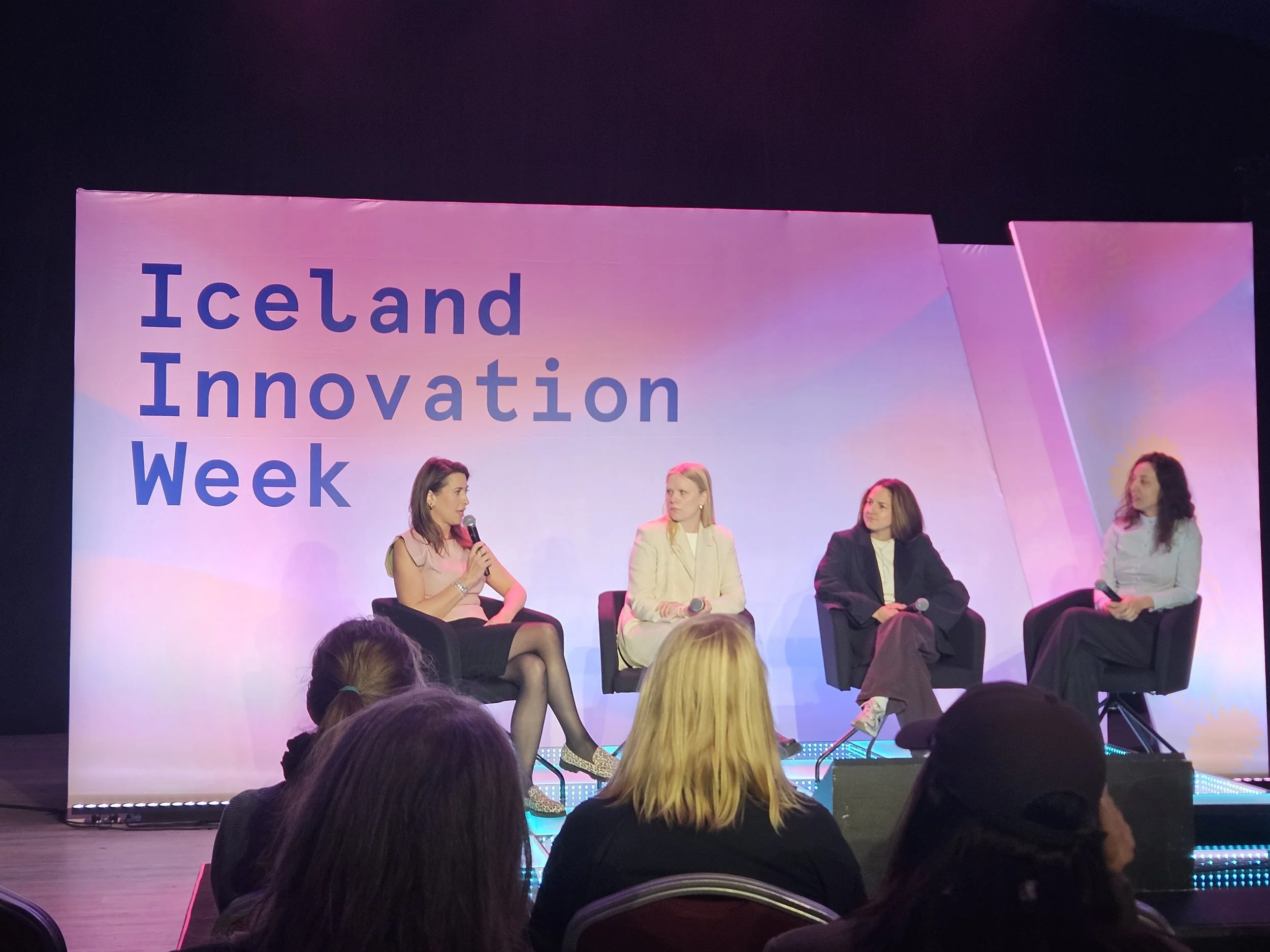
How Oregon is learning from Iceland’s 100% Fish Innovation
Last month, Oregon State University, in collaboration with the Oregon Ocean Cluster, led a delegation of 18 coastal leaders, scientists, and industry pioneers to Reykjavik for a mission centered on a single, transformative idea: 100% Fish.
The trip coincided with Iceland Innovation Week, a national showcase of the entrepreneurial spirit that has made this small island nation a global leader in the "Blue Economy."
The delegation came ready with big questions, and a mission to integrate Iceland’s 100% Fish blueprint into a vision for Oregon’s future.
Following the momentum coming out of the second annual Blue Foods Forum, our partners have been hard at work pursuing innovative projects and collaborations for the future of our blue economy.
When OSU's Seafood Lab landed a grant to take a team of research scientists to Iceland to learn more about 100% Fish, excitement for the trip spread to other industry partners.
While initial funding from an OSU grant and Oregon Ocean Cluster matching support anchored the trip, additional non-OSU members were so inspired by the mission that they joined the delegation and covered their own travel costs, demonstrating a powerful collective belief in the project's potential – and bringing a diverse set of industries and perspectives together for this valuable learning experience.
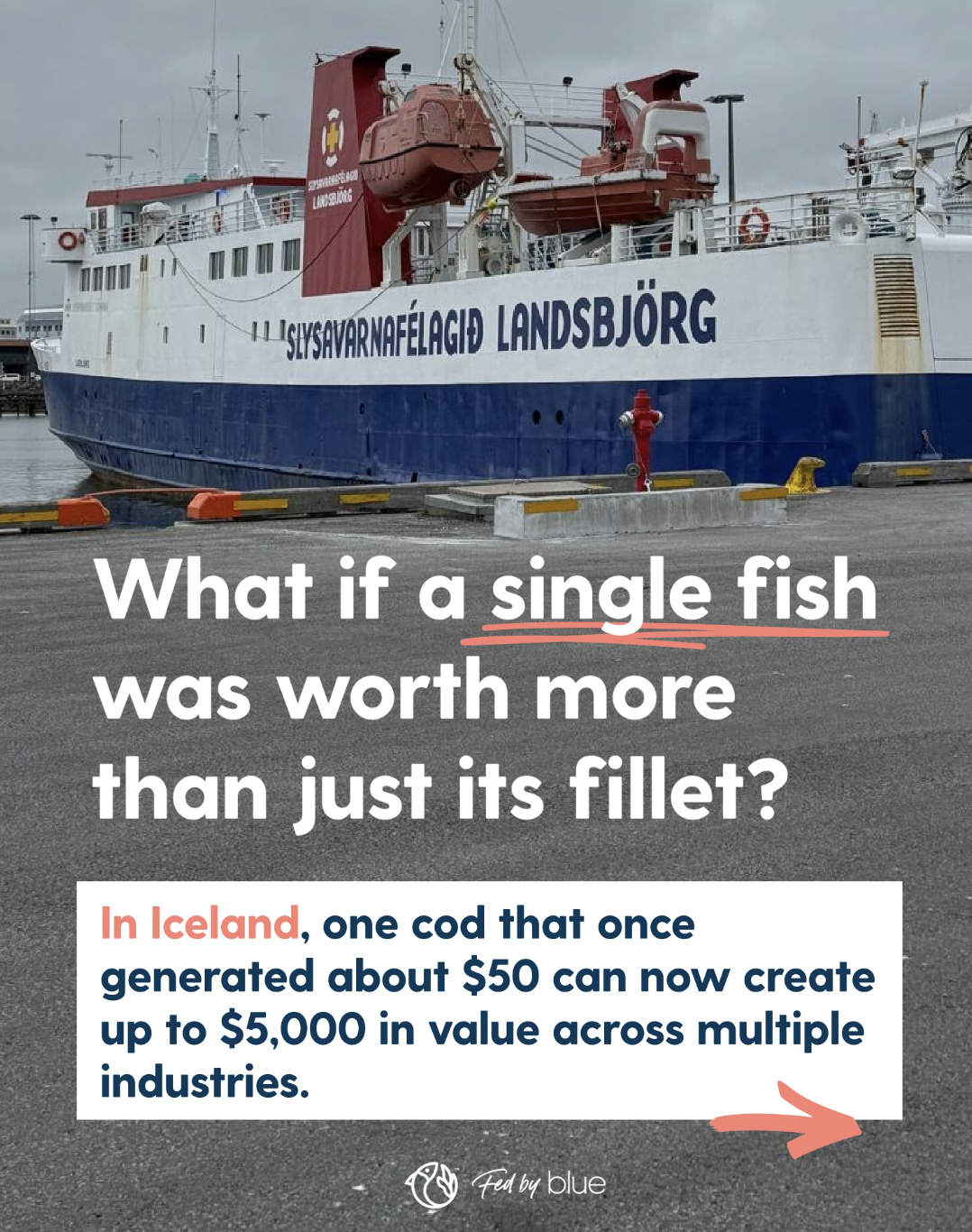
Hope in the Water highlights 100% Fish
Iceland's innovation is spreading globally, and Ocean Clusters are opening in coastal communities around the world. The PBS docuseries Hope in the Water has been highlighting the groundbreaking work of dedicated fishers, aqua farmers, and scientists working to better utilize our oceans' resources.
Their latest episode, “Changing the Menu,” follows Thor Sigfusson PhD and the Iceland Ocean Cluster and shows how decades of collaboration helped make full fish utilization the norm, where nearly 100% of the fish is used.
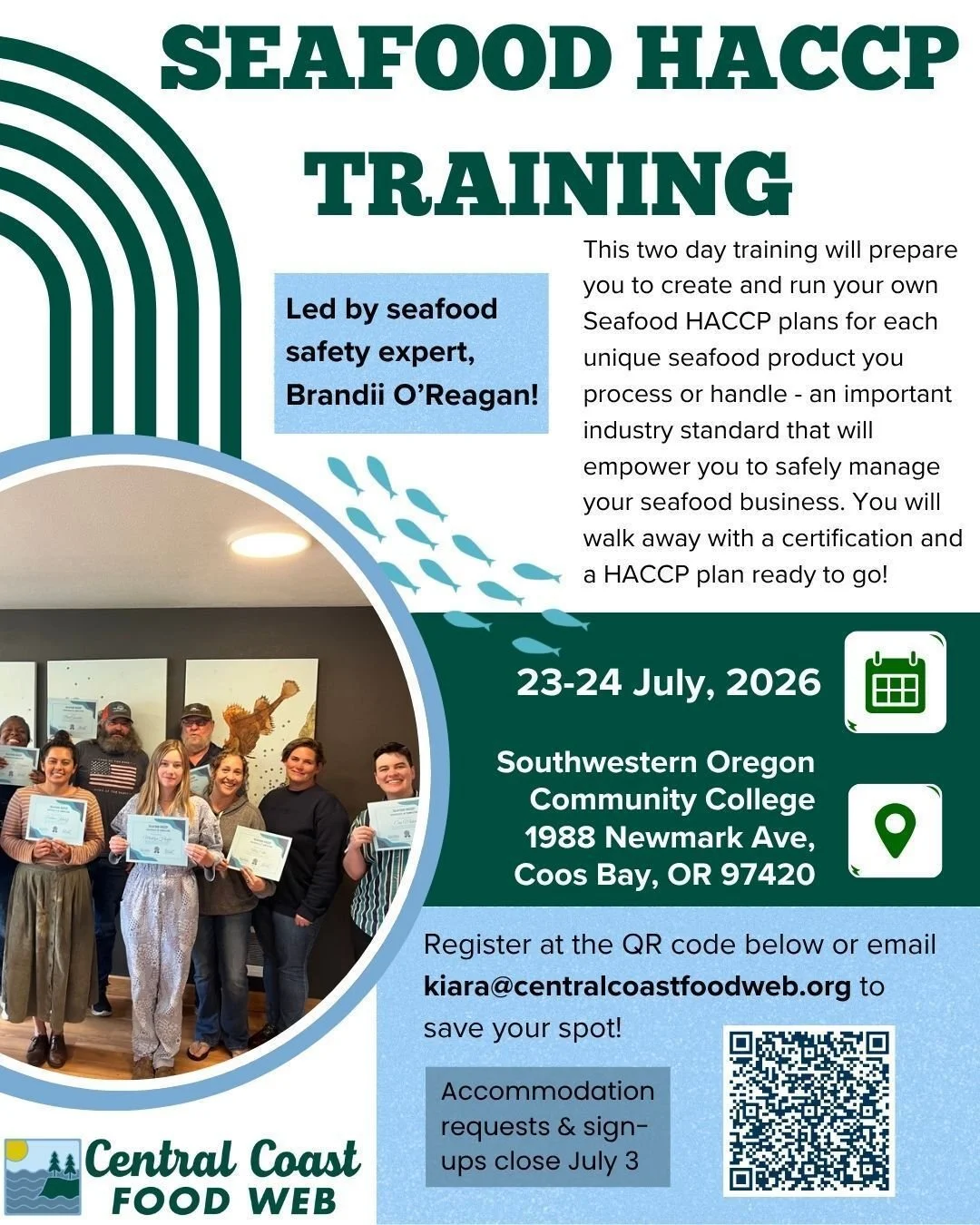
HAACP Training South Coast July 23-24
Are you a seafood processor in need of a HAACP plan? The Central Coast Food Web is hosting a Seafood HAACP Training Workshop on July 23-24th in Coos Bay.
A seafood HAACP Plan (Hazard Analysis Critical Control Point) is required by the FDA for seafood producers to identify and control food safety hazards. This two-day workshop will be taught by seafood safety expert, Brandii O'Reagan (Washington Sea Grant). Registration closes on July 3rd.
Featured producer
〰️
Featured producer 〰️
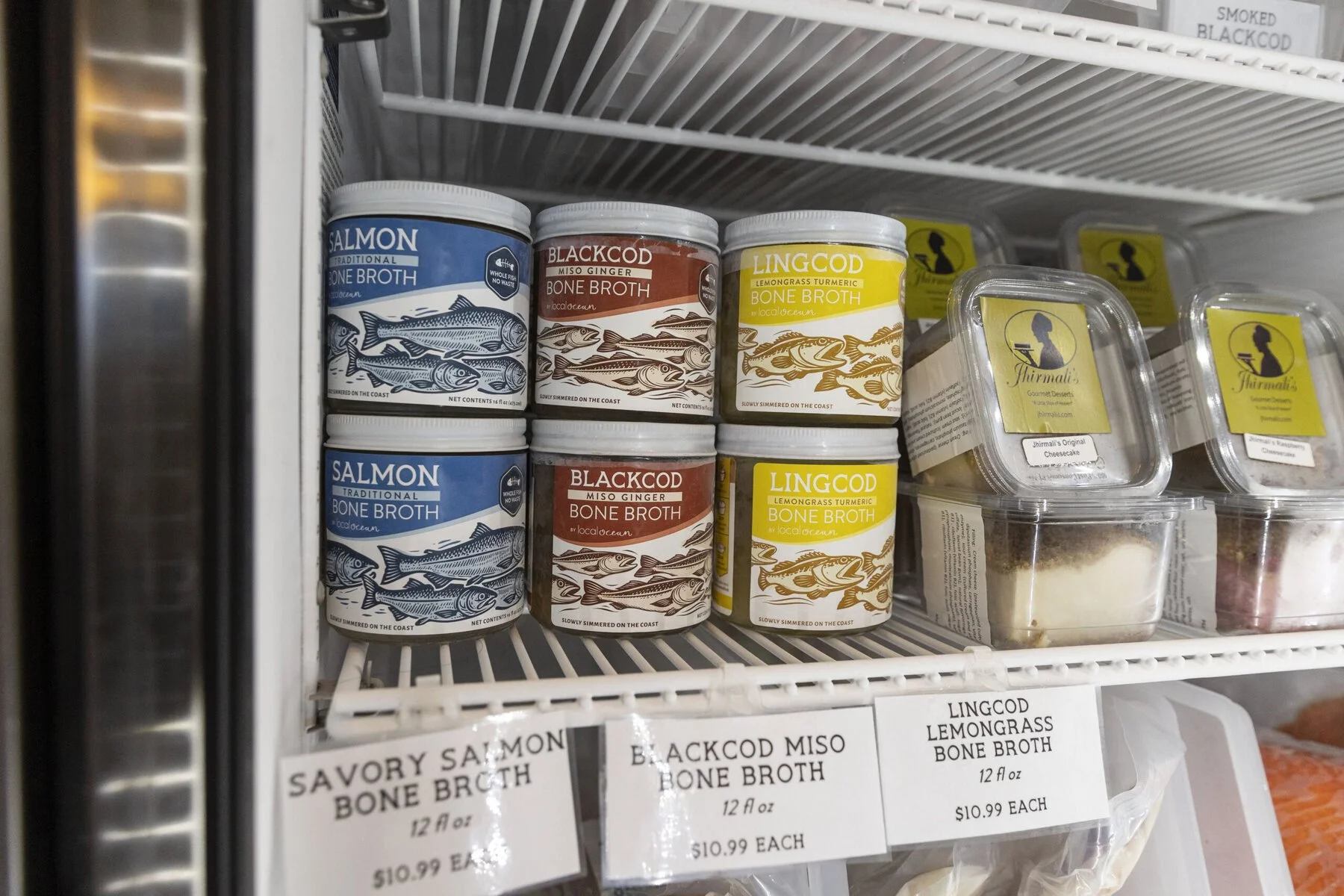
Local Ocean
Championing 100% Fish Utilization
Local Ocean, a restaurant in Newport, has been a leader in Oregon seafood sustainability since their inception. They purchase 100,000 pounds of local fish per year, and all of that fish is filleted in-house. Inspired by Iceland's 100% Fish movement and following momentum coming out of the 2025 Blue Foods Forum, they hired a 100% Fish business innovation program manager to oversee the use of their fish byproducts for new revenue streams.
Already, the team has made fish-skin dog treats and seafood bone broth, which is now available in stores and food hubs. She is also working with Bayocean Oyster House Chef Jacob Harth to incorporate alternative seafood cuts into the new spring menu.
Find out more about how Local Ocean is leading Oregon in blue foods innovation:
Read the latest feature on Local Ocean
Shipt’s 2026 Community Impact Grants
Shipt, a nationwide food delivery service, recently announced their 2026 Community Impact Grant, open for applications from May 11 - June 12 . They are seeking to support food access organizations working to build resilient, self-sustaining food systems that nourish communities for generations.
Their funding focus areas are:
Mobile Markets: Bridging the food access gap by bringing the store directly to the community, serving as a consistent anchor for neighbors in need.
Teaching Farms: Connecting community to hands-on learning and education on exactly where fresh food comes from and how to grow it.
Food Hubs: Strengthening local food economies by providing the essential infrastructure that connects small-scale farmers to new local market opportunities.
Awards range from $10k for new initiatives, to $35k per year to established organizations.
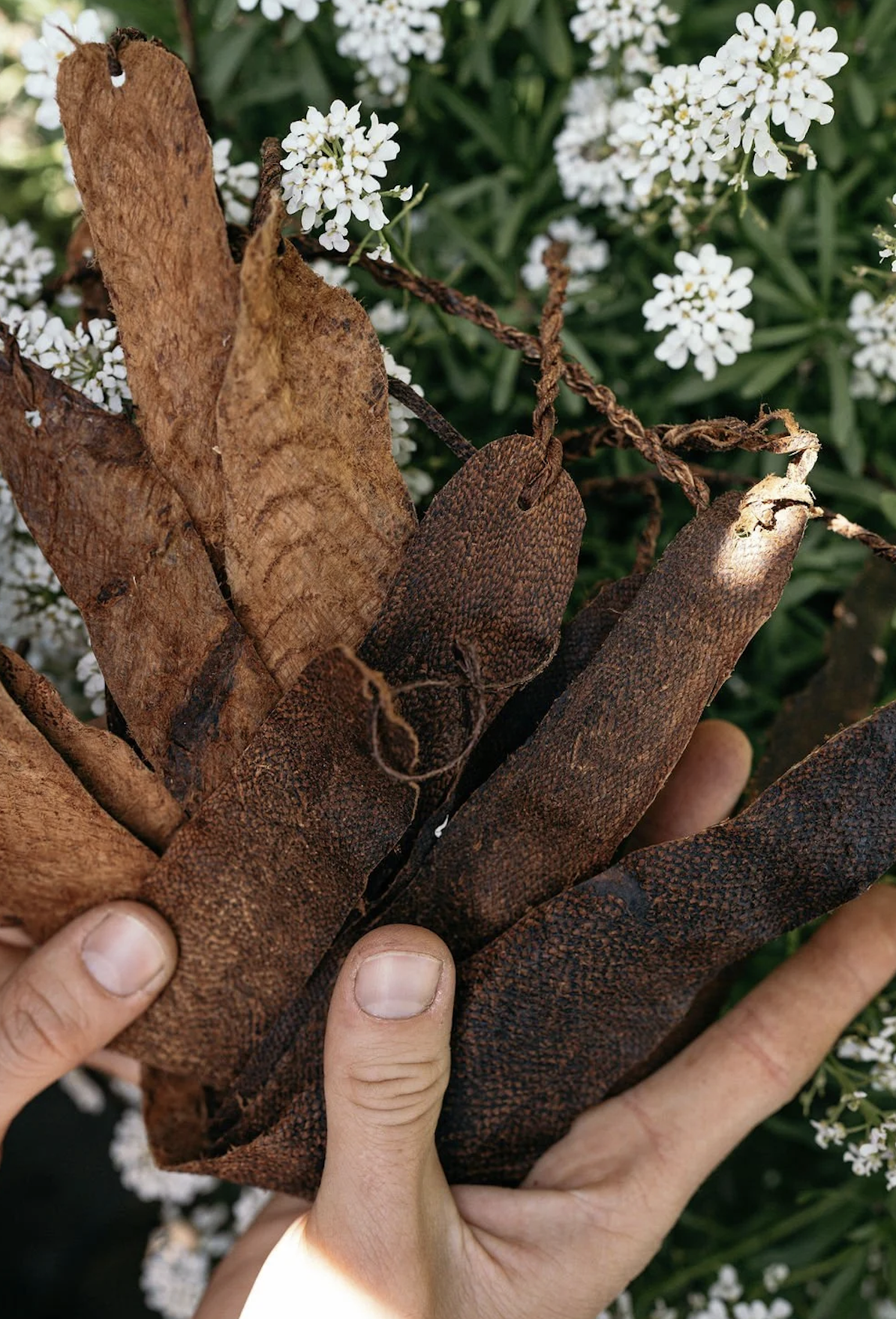
Fish Skin Leather Workshop with the Reclaim Co-op
Join a hands-on workshop led by The Reclaim Co-op at the Central Coast Food Web! Learn to scrape and tan a fish skin, and create your own piece of fish leather to bring home!
This is a unique opportunity to get hands-on with upcycling food "waste" by making it into an incredibly strong and versatile leather. Students will learn how to create a piece of fish skin leather, and can take home their creation. Learn techniques to scrape, tan, and soften, led by Mark Hazelton of The Reclaim Co-op. Learn more about the work of the Reclaim Co-op, and how you can support the "100% Fish" efforts in Oregon.
Register here.
International Blue Economy News
Global updates on blue technology accelerators, marine inventions, grant funding, and breakthrough research.
News [Curated by Seaking Blue]
The Port of San Diego outlined its aquaculture efforts as part of a broader blue economy strategy, focusing on developing sustainable shellfish and seaweed farming through pilot projects, partnerships, and planning initiatives that aim to create jobs, support innovation, and deliver environmental benefits like improved water quality and ecosystem restoration.
Highlighting growing early-stage momentum in Canada’s blue economy, the Ocean Startup Project has selected 23 teams for its 2026 Ocean Idea Challenge: an entry-level program supporting oceantech entrepreneurs with funding, mentorship, and customer discovery to validate ideas across sectors like aquaculture, ocean data, and marine safety.
Tracking the rising financial momentum of ocean industries, this article highlights how the University of North Carolina Wilmington’s Blue Economy Index has rapidly gained traction, outperforming major benchmarks like the S&P 500 while offering the first global metric for sustainable, ocean-based economic growth and investment.
Hawai’i has a bill in the works that would establish a centralized Office of Marine Affairs to coordinate and accelerate the state’s blue economy, including ocean industries, infrastructure, and innovation, while integrating Native Hawaiian knowledge into marine policy.
ECOncrete has secured multimillion-dollar investment to scale its bio-enhancing marine construction technology that transforms traditional concrete into habitat-supporting structures that strengthen biodiversity while protecting ports, shorelines, and offshore assets.
Opportunities
Canada’s first blue economy accelerator Blue Action Canada has opened applications for their 2026 cohort.
UC San Diego’s StartBlue Accelerator has opened applications for their immersive fall program.
Join the Blue Growth Community to get access to opportunities, expertise, and connections as an innovator.
We are dedicated to keeping our network connected to the ideas and that are driving sustainable innovation in our blue economy, and elevating the stories of partners and producers working to keep more Oregon seafood local.
Subscribe to our newsletter to make sure you never miss an update.
What is the Oregon Ocean Cluster?
Oregon’s seafood often goes directly from harvest to plane, bypassing Oregon communities. Keeping more local seafood local enhances the environment, economic development, public health, and human rights.
The Oregon Ocean Cluster is working to shift this dynamic and make local seafood easier to find and buy through development of wholesale buyers clubs, cooperative marketing, and shared infrastructure.
Learn more about our core initiatives, including developing workforce development and youth training on our website.