Scaling Up: How Oregon is learning from Iceland’s 100% Fish Innovation
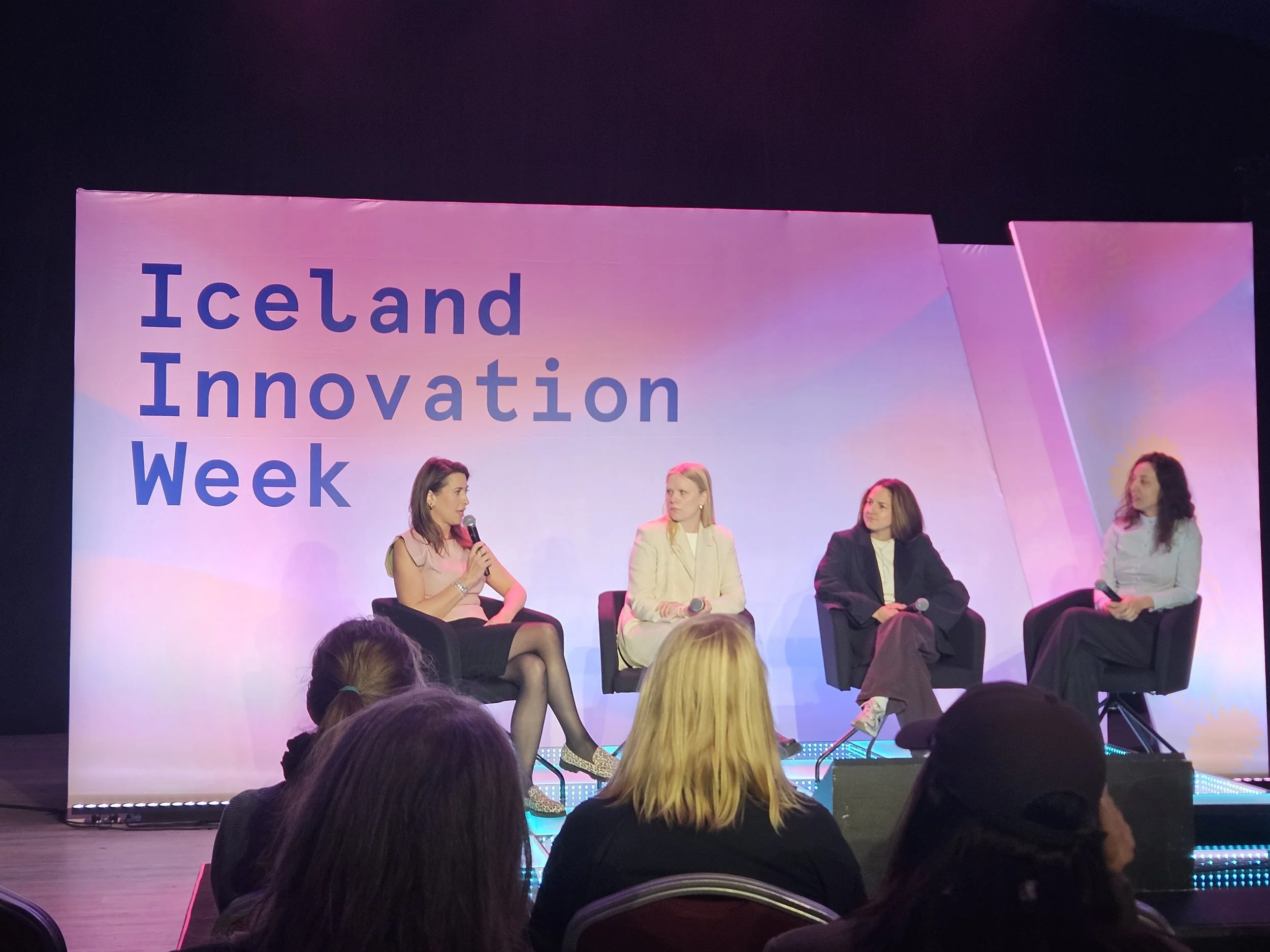
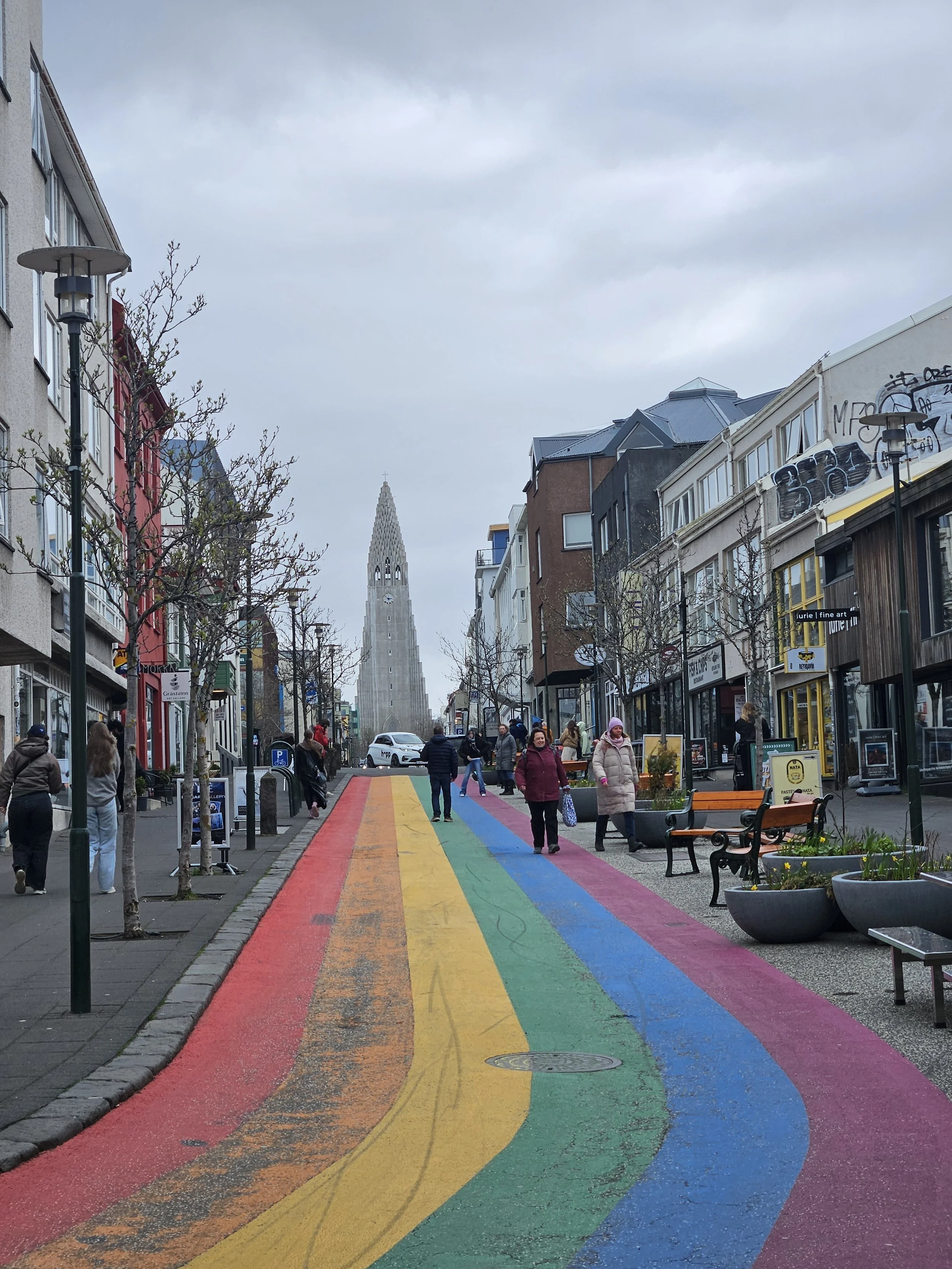
Last month, Oregon State University, in collaboration with the Oregon Ocean Cluster, led a delegation of 18 coastal leaders, scientists, and industry pioneers to Reykjavik for a mission centered on a single, transformative idea: 100% Fish.
The trip coincided with Iceland Innovation Week, a national showcase of the entrepreneurial spirit that has made this small island nation the global leader in the "Blue Economy."
The delegation came ready with big questions, and a mission to integrate Iceland’s 100% Fish blueprint into a vision for Oregon’s future.
The Case for 100% Fish
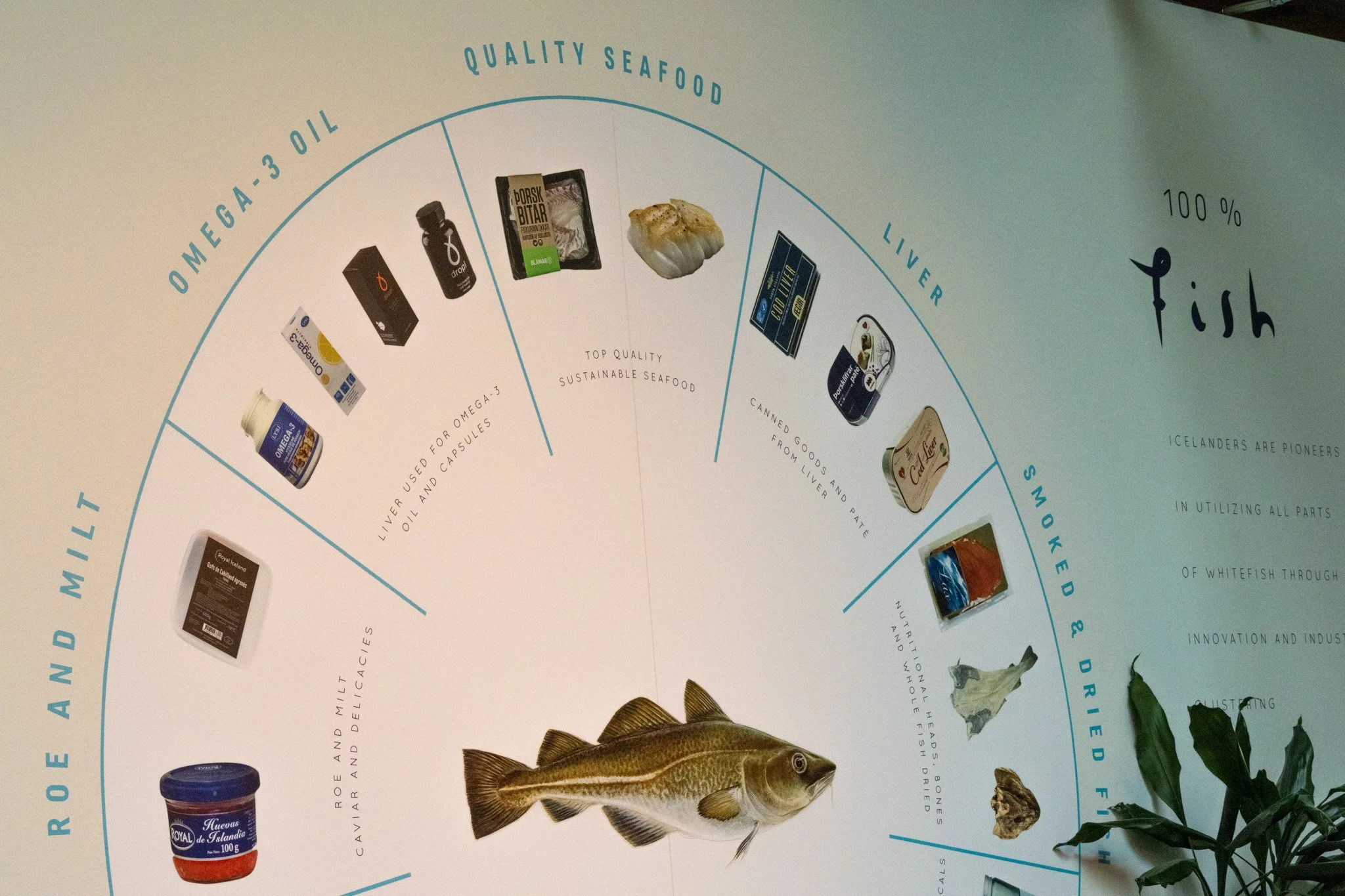
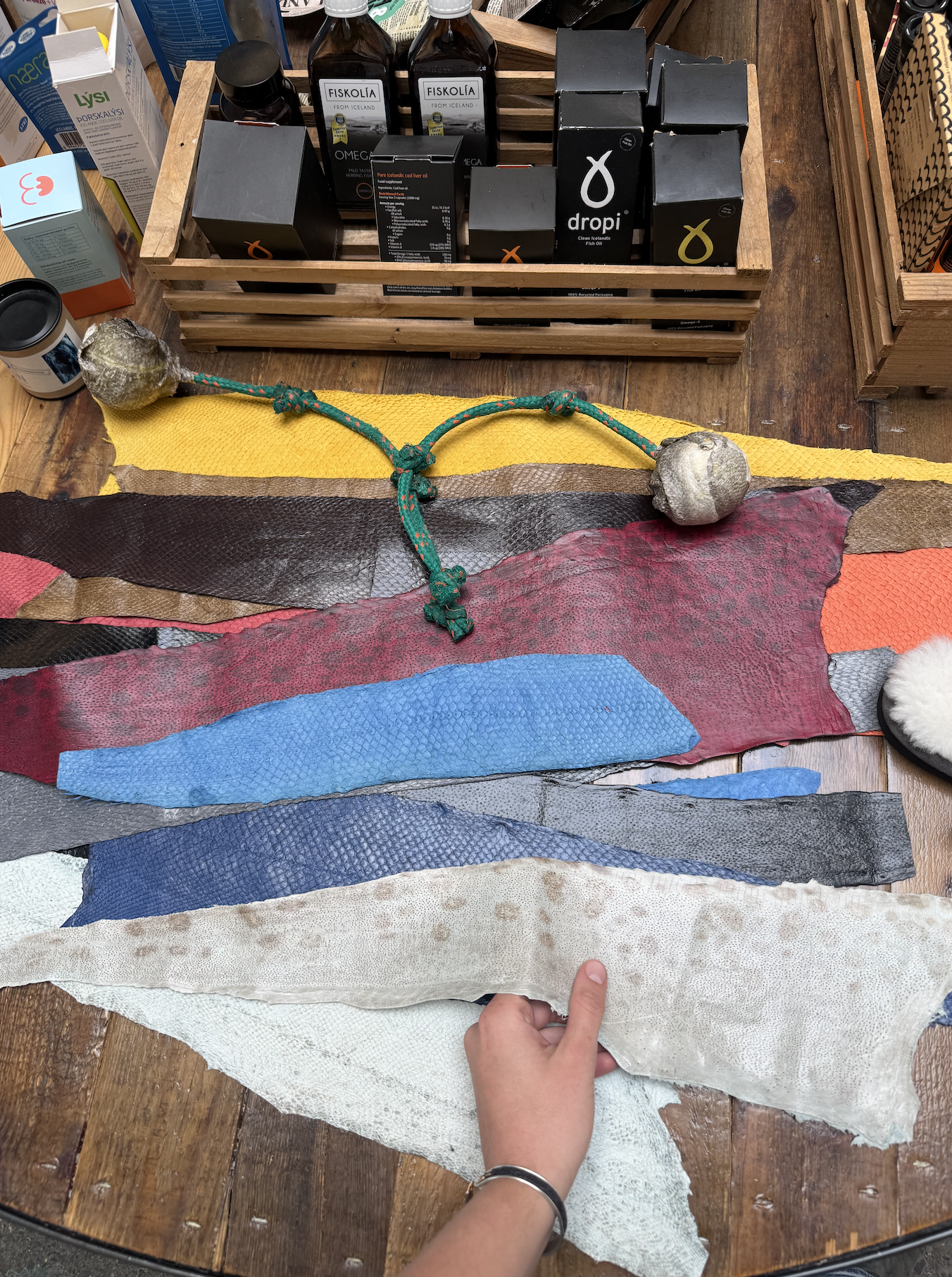
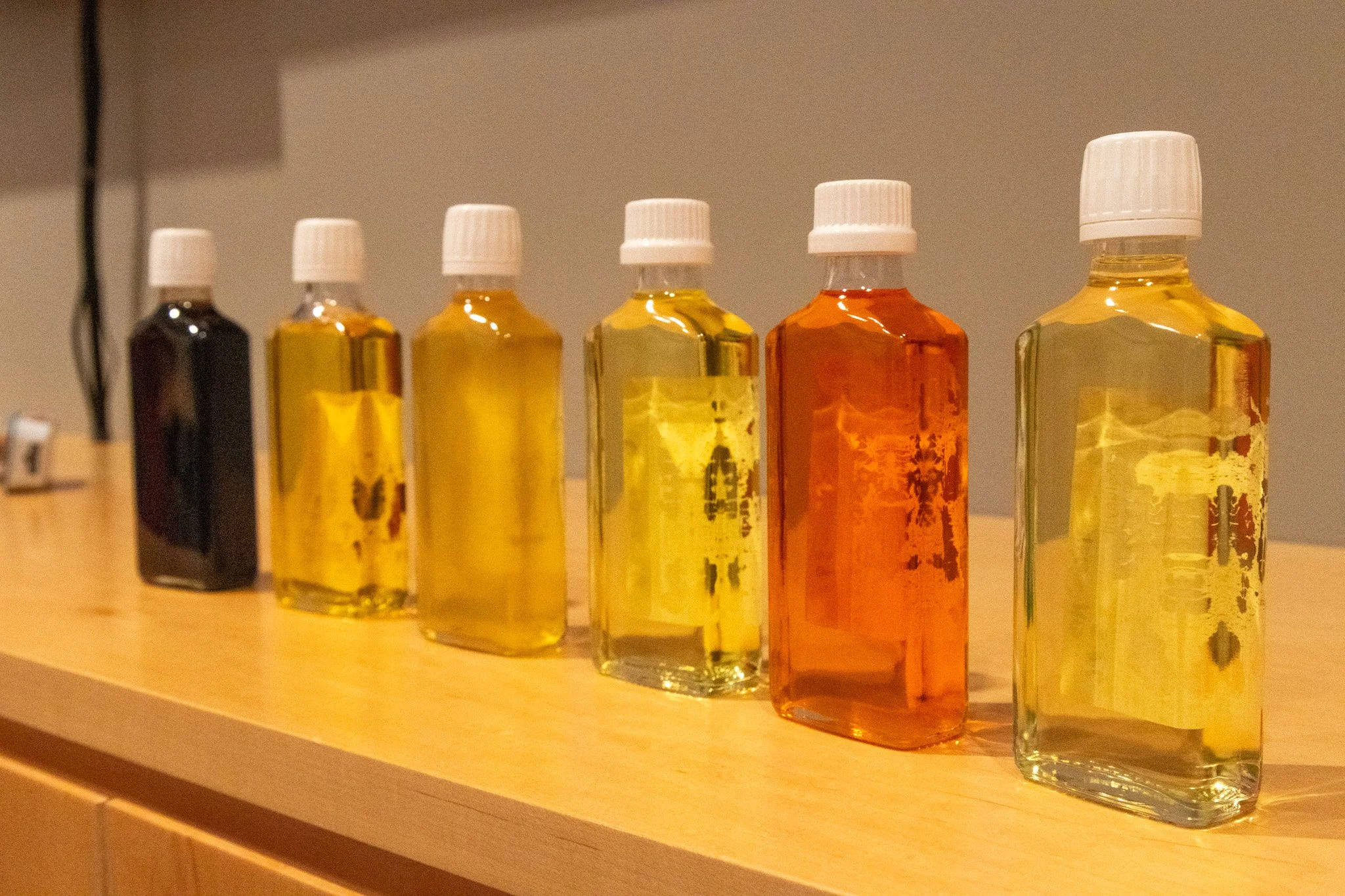
Oregon’s seafood industry generates $1.1B annually in economic activity. Yet, traditionally, we have been a volume-based economy. When we only focus on the fillet, we leave massive value on the table.
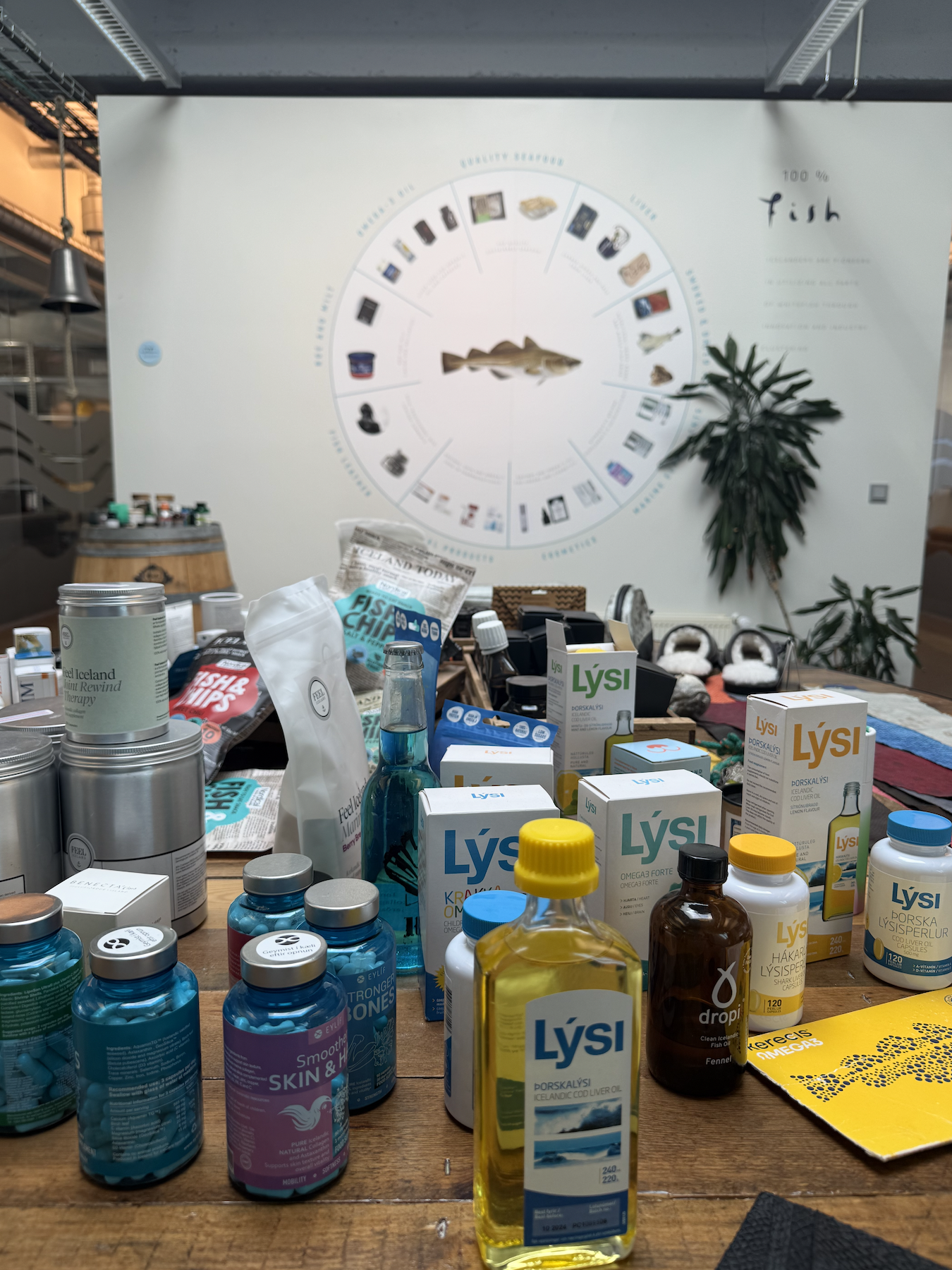
The "100% Fish" initiative is a 360-degree economic model. In Iceland, this looks like engaging over 70 businesses to turn what was once considered "waste" into luxury leather, calcium supplements, and life-saving medical devices. By utilizing the entire fish—skins, bones, and oil—Icelandic innovators have shown that it is possible to turn a single fish from a $10 commodity into a $5,000 opportunity.
An International "Sisterhood" of Clusters
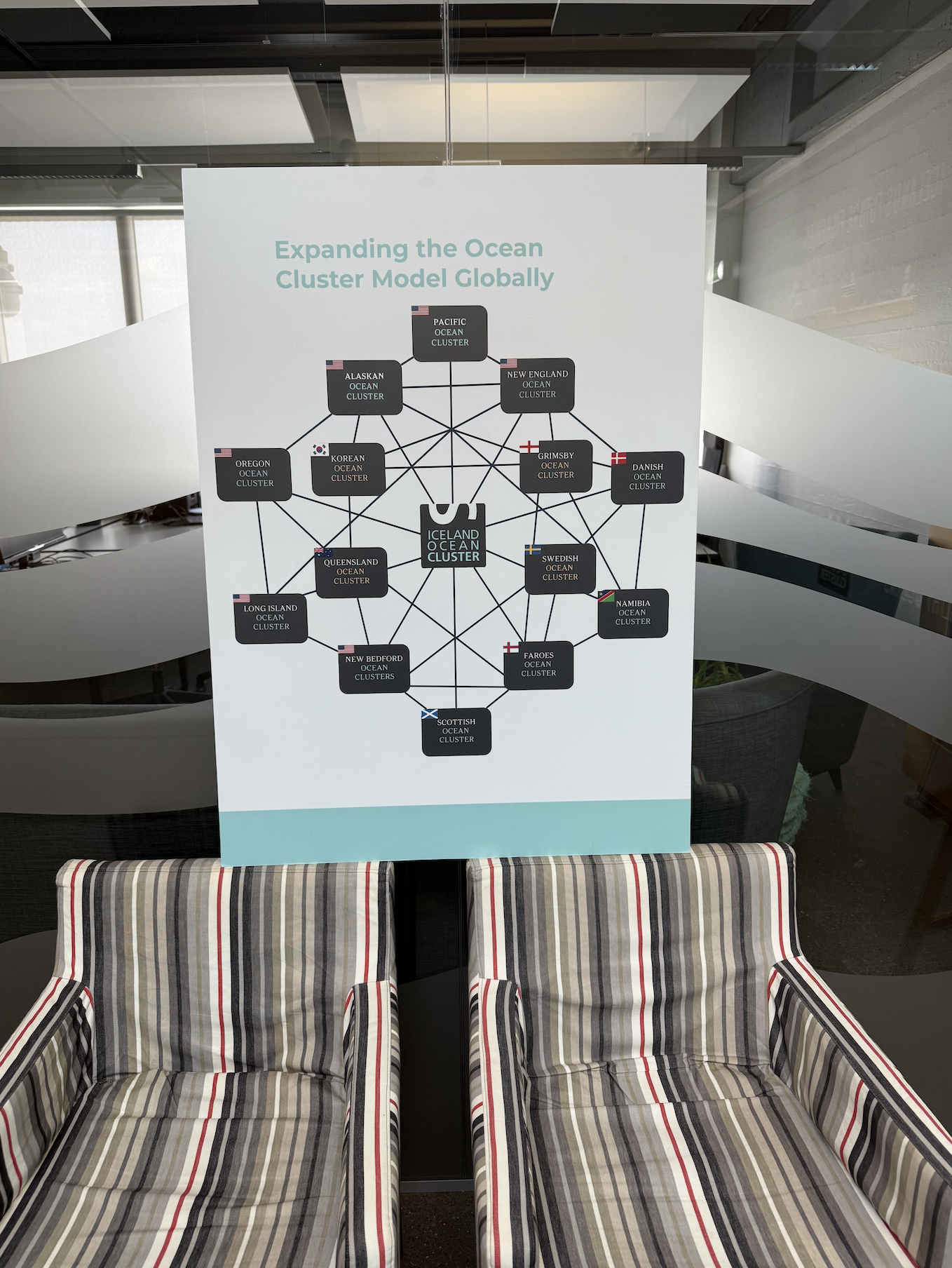
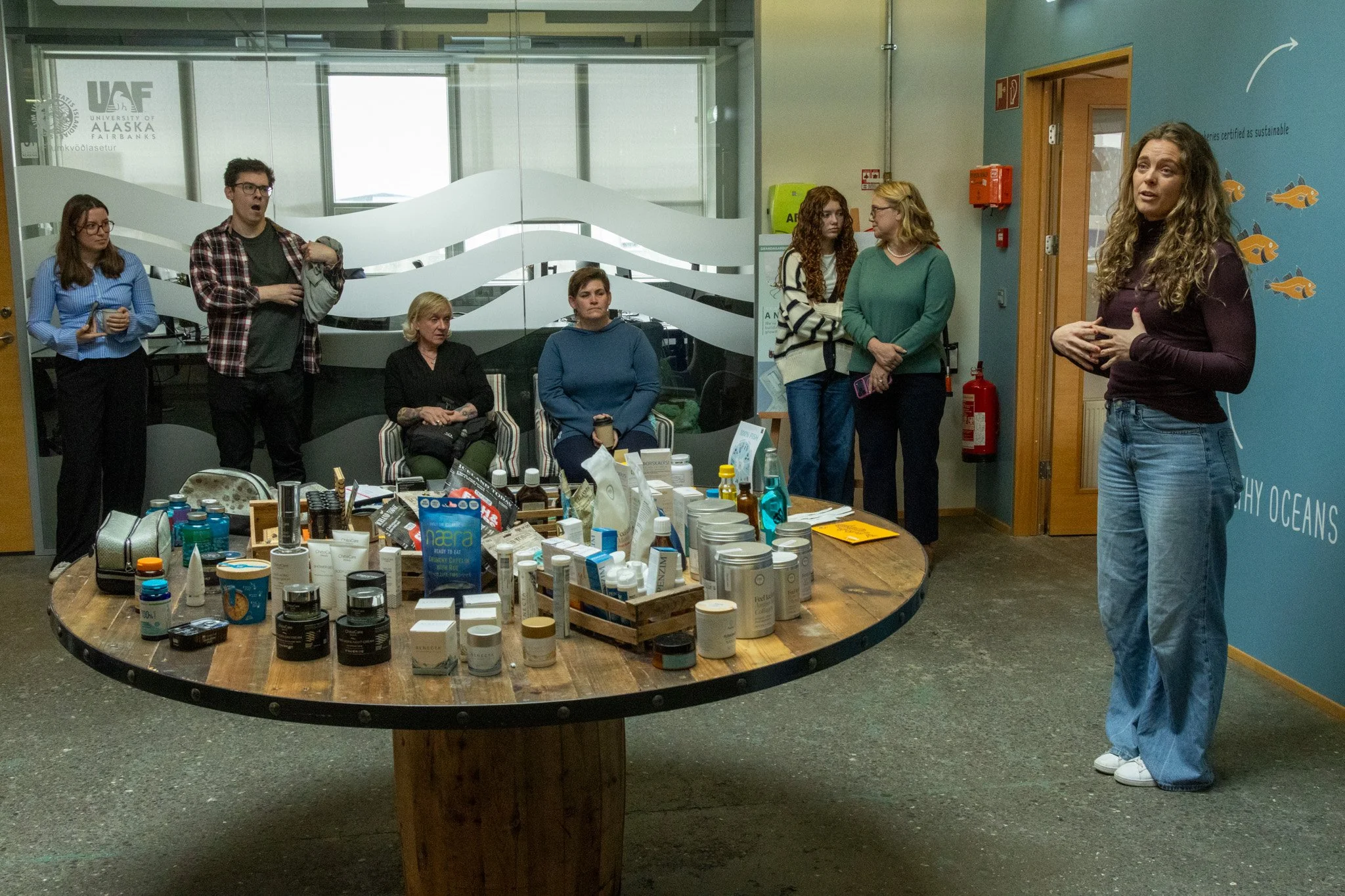
This trip is the result of a long-standing friendship with the Iceland Ocean Cluster (IOC). Their CEO, Dr. Alexandra Leeper, has become a familiar face in Oregon where she has shared insights on 100% Fish utilization to diverse audiences across the state, learned about our maritime industry, and served as an inspiring keynote for the annual Blue Foods Forum.
Today, the Oregon Ocean Cluster is proud to be one of an emerging international ecosystem of "sister clusters" working globally toward a more resilient blue economy.
The trip coincided with visits from other sister clusters including representatives from New Zealand, Australia, and New England. Together in one room, we realized that despite differences in structure and organizational maturity, we all are part of a global collective working against the same challenges and toward the same goals.
In Oregon, our cluster model is unique: the OOC currently operates as a collective impact network under the governance of the Oregon Coast Visitors Association. This “ground-up” model provides a platform to identify community and industry needs, then collaboratively search for funding and partnerships to address and solve challenges through several initiatives, including 100% Fish innovation.
Local Interest in 100% Fish
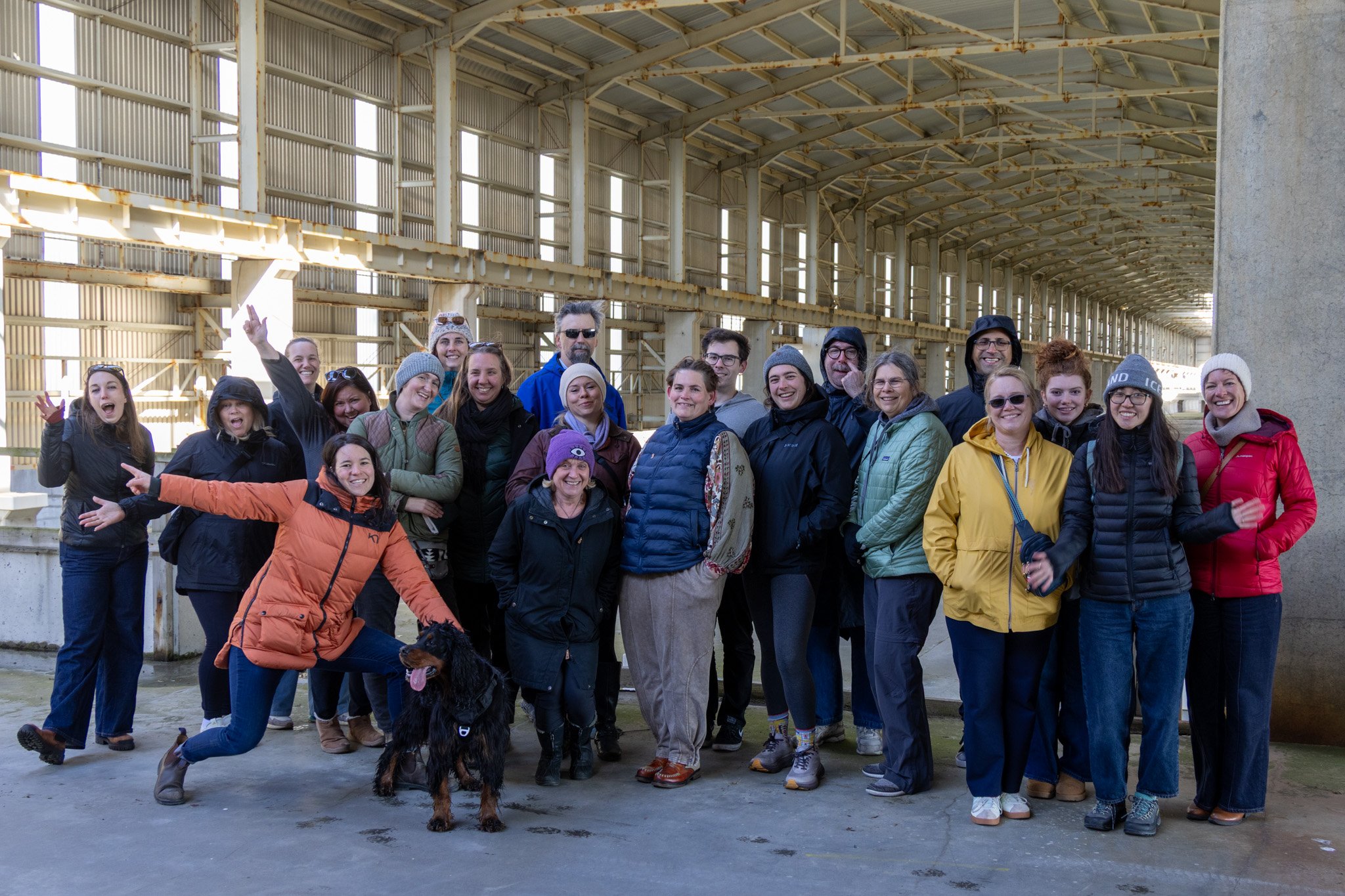
The OSU & Oregon Ocean Cluster Delegation at the Iceland Eco-Business Park
Following the momentum coming out of the second annual Blue Foods Forum, our partners have been hard at work pursuing innovative projects and collaborations for the future of our blue economy.
When OSU's Seafood Lab landed a grant to take a team of research scientists to Iceland to learn more about 100% Fish, excitement for the trip spread to other industry partners.
While initial funding from an OSU grant and Oregon Ocean Cluster matching support anchored the trip, additional non-OSU members were so inspired by the mission that they joined the delegation and covered their own travel costs. Their investment brought the total support for this learning expedition to over $50,000, demonstrating a powerful collective belief in the project's potential – and bringing a diverse set of industries and perspectives together for this valuable learning experience.
The final delegation represented a cross-section of Oregon’s maritime economy:
Research & Innovation: Oregon State University (OSU), COMES-Astoria (OSU Seafood Lab), and the OSU Food Innovation Center.
Public Infrastructure & Policy: Port of Astoria, Sea Grant Oregon, Sea Grant Washington, and Columbia Pacific Economic Development (Col-Pac).
Industry & Processing: Central Coast Food Web, Pacific Seafood, the West Coast Seafood Processors Association, and the commercial fishing vessel Chelsea Rose.
Strategic Development: The Oregon Ocean Cluster, the Oregon Coast Visitors Association, and FishHer: Columbia Pacific Community Alliance
Angee Hunt, a professor at the OSU Seafood Research and Education Center and the primary organizer of the trip, noted that these “Diverse perspectives will be instrumental for transforming ideas into action. By witnessing firsthand how the Iceland Ocean Cluster originated and continues to evolve, this collective is now positioned to bring those lessons home to Oregon."
Inside the "Innovation Engine"
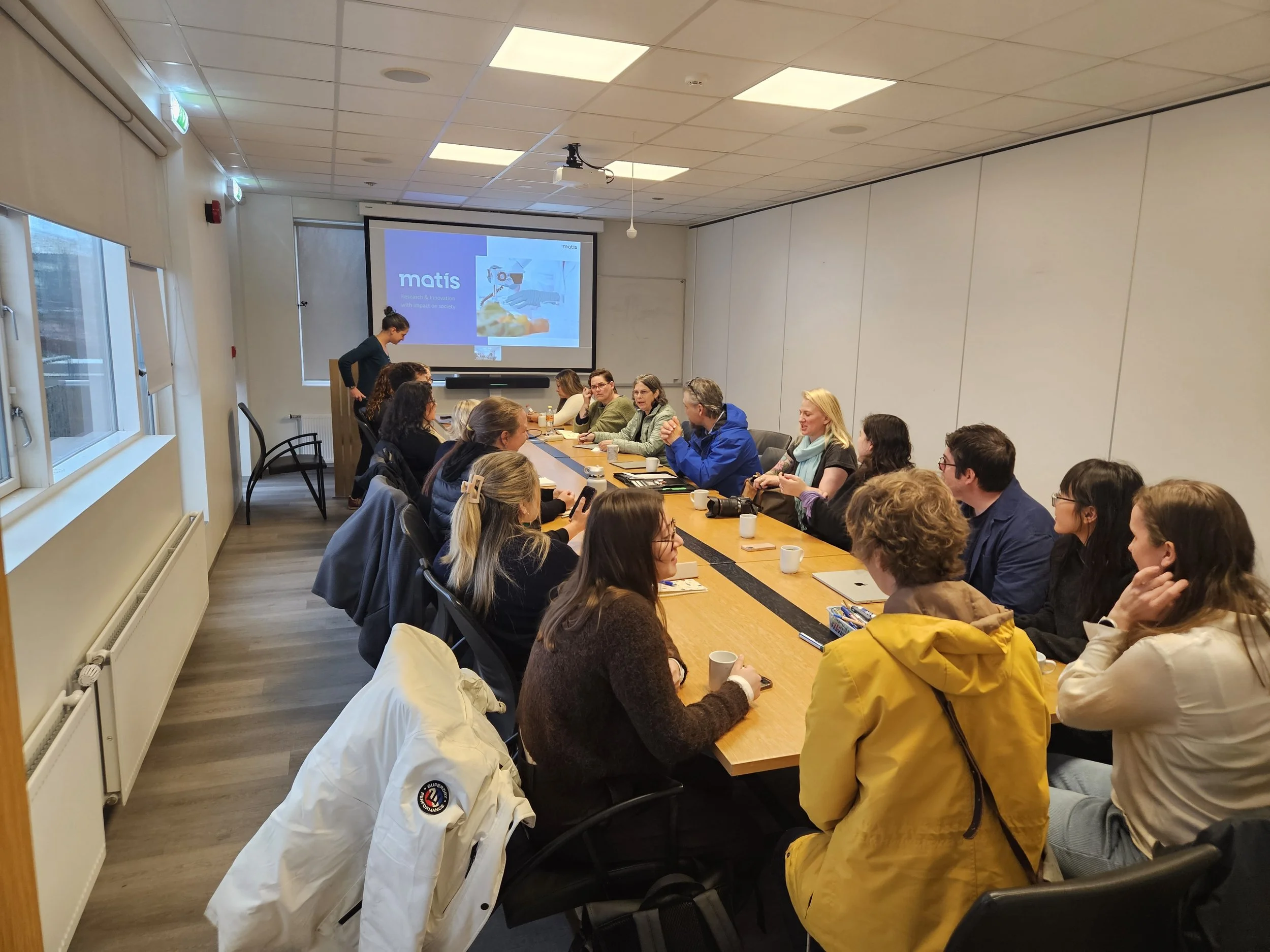
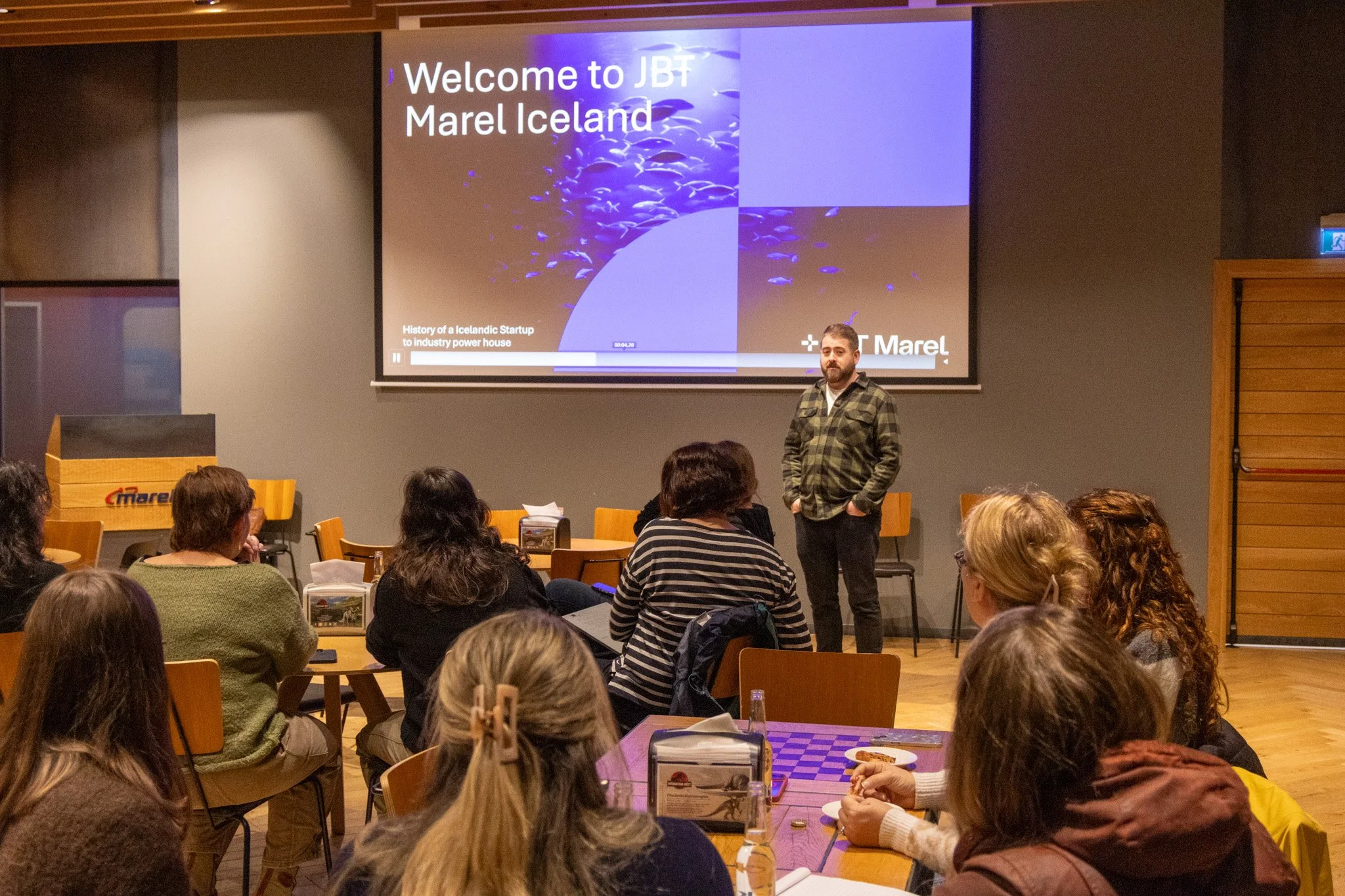
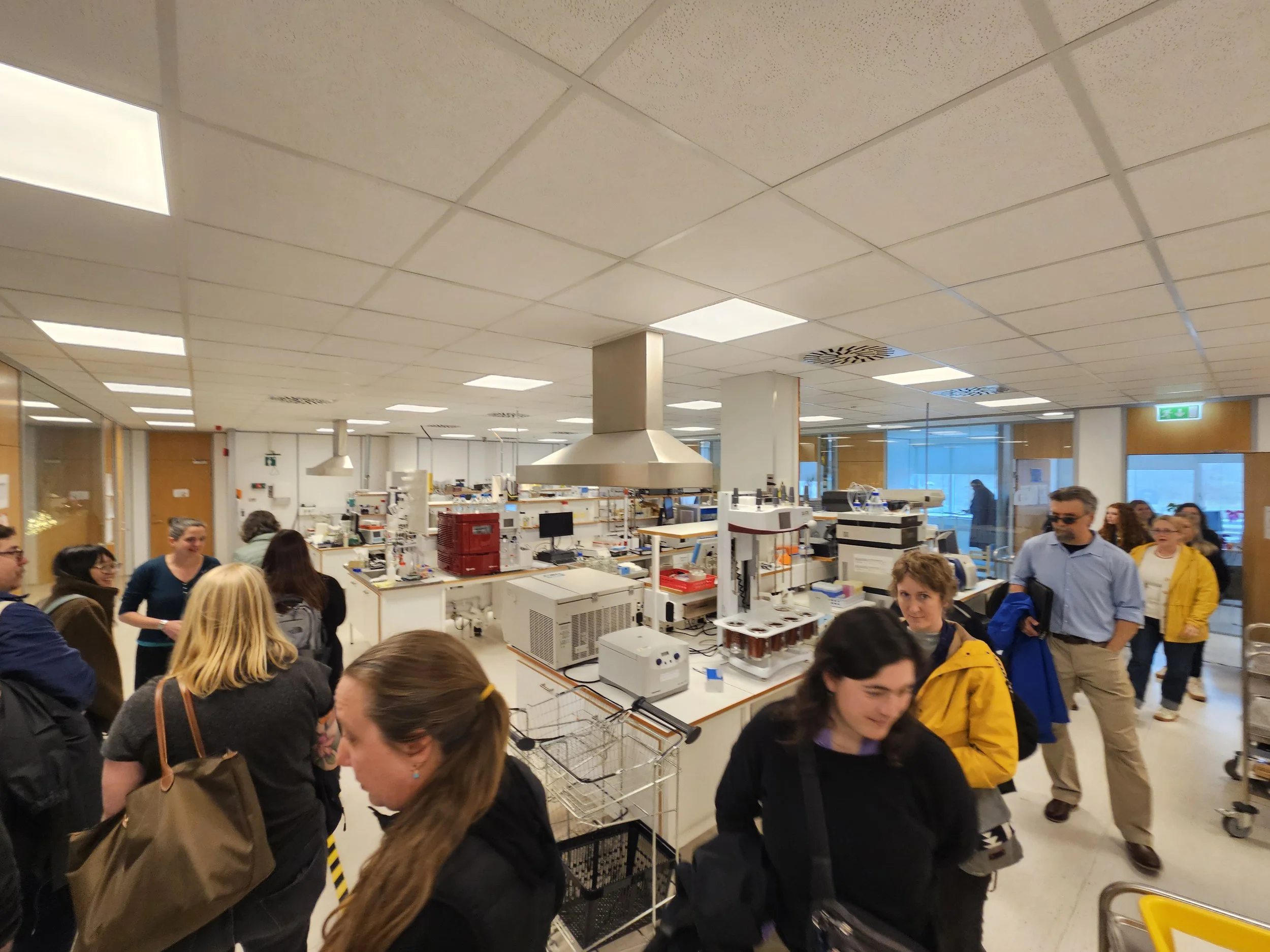
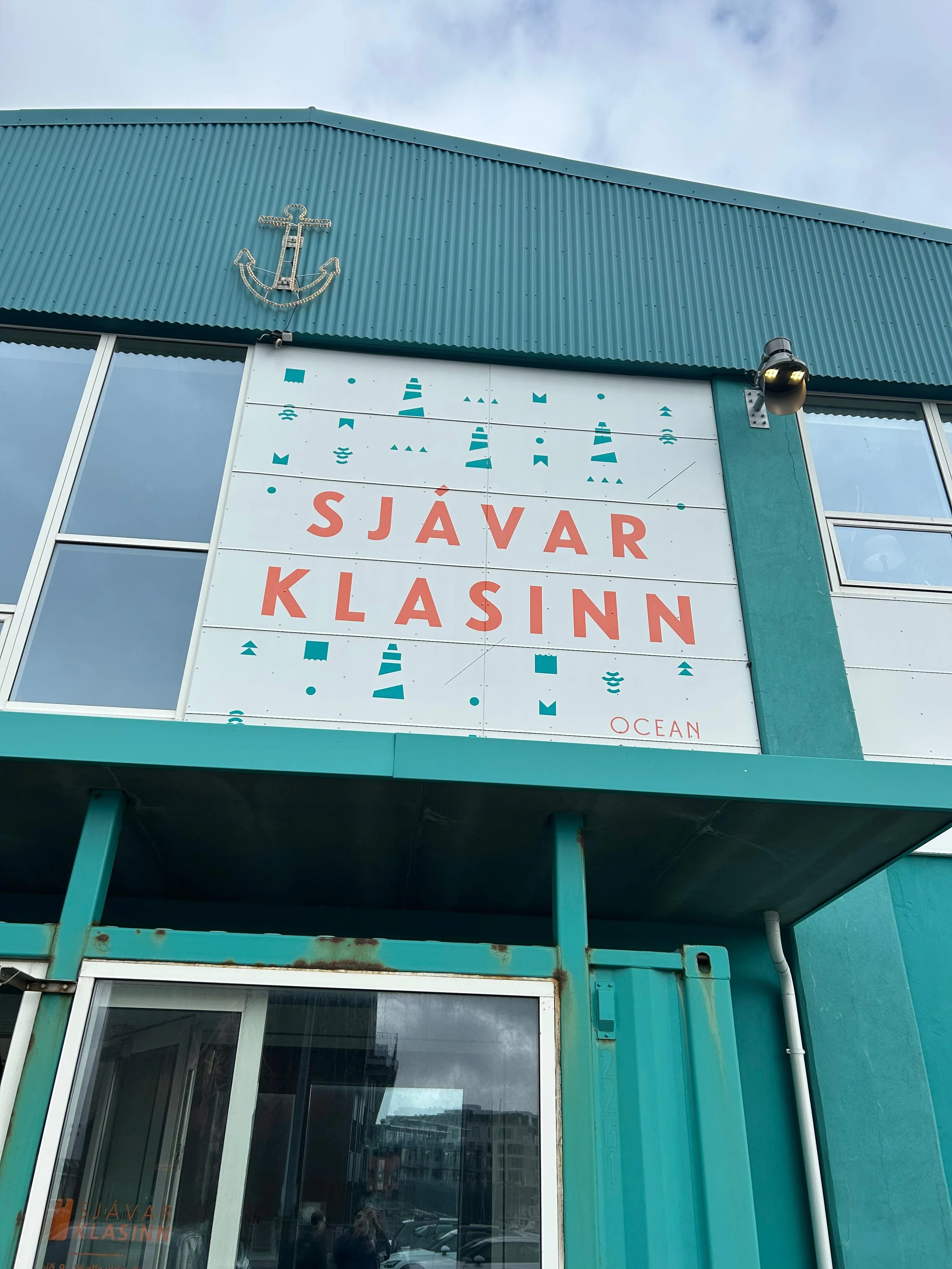
The delegation spent the week at the Iceland Ocean Cluster House, a converted port warehouse that incubates startups alongside working fisheries. The Iceland Ocean Cluster team also coordinated on-site tours and Q&A sessions with the pioneers of Iceland’s 100% Fish movement, and the tours felt like a glimpse into Oregon’s near future:
Matís: A biotech research institute that acts as the R&D engine for Iceland’s food innovation.
JBT Marel: Producers of high-tech processing equipment that uses precision technology to eliminate waste.
Lýsi: A world leader in fish oil that demonstrated how to turn a byproduct into a global household brand.
Kerecis: A "unicorn" company using minimally processed fish skin to heal human wounds—the ultimate example of high-value utilization.
Iceland Eco-Business Park: A facility designed for industrial symbiosis, where one company’s waste becomes another’s raw material.
We capped off the trip at a networking reception with the US Embassy of Iceland to discuss the future of the Oregon-Iceland partnership and potential trade and education collaborations for the "Blue Economy."
Creating a Culture of "Doing"
Mid-week, the group sat around a conference table with Dr. Thor Sigfusson, the founder of the Iceland Ocean Cluster. He told us about the early days of the cluster, and how important it is to create a culture of ‘doing.’
"We have to become 'doers' rather than just 'talkers.' The main challenge for any cluster is to figure out where the low-hanging fruit is—to find the projects that create real value for the community and the fishermen themselves. When you show people they can make money and do good for the environment at the same time, that’s when things start to happen."
– Dr. Thor Sigfusson
Looking around the table at the incredible group representing Oregon's blue economy, that conversation felt like a launchpad for Oregon’s own era of 'doing.'
Bringing the Momentum Home
After a week of learning, set against the backdrop of an annual event that celebrates the country’s innovative spirit, we are eager to bring this culture back to Oregon. Over the coming weeks, the Oregon Ocean Cluster will be distilling these findings into actionable work plans and investment priorities.
Oregon has seen the North Star in Iceland, and we are coming home with new knowledge and inspiration to continue the hard, exciting work of realizing that future here at home.